Should You Build a PC in 2026?

By
14 December 2025
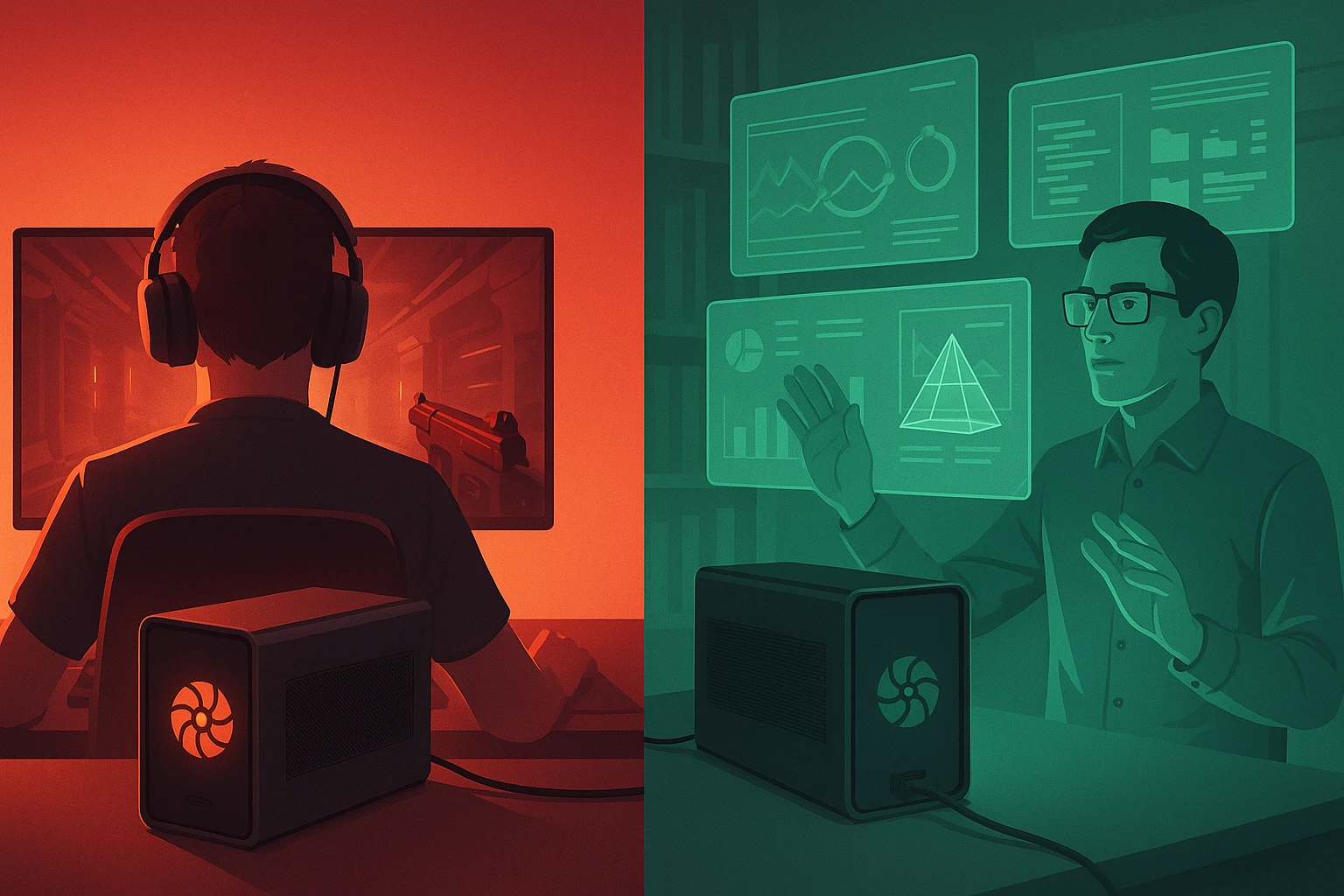
There will probably never be a time when people stop thinking about building a powerful PC. For gamers, PC building is more than just buying hardware. It is a hobby, a long-term project, and sometimes even an identity. For others, it is about control: choosing every component, tuning performance, and knowing exactly what is running under the hood. Whether you are chasing higher frame rates, smoother modded gameplay, or faster productivity workflows, the appeal of a custom PC has never really faded.
For a long time, the biggest barrier to building a PC was money. Even then, it was a manageable problem. With enough patience and planning, you could build something impressive without spending a fortune. Components like CPUs, motherboards, RAM, and storage almost always became cheaper over time. Competition kept prices in check, and each new generation pushed older hardware into better value territory.
That ecosystem made PC building incredibly flexible. Budget and mid-range builds were often shockingly capable. You did not need flagship hardware to run popular games at high settings, and you could always upgrade later. Swap out the GPU after a year. Add more RAM when prices dropped. Move to faster storage when it made sense. The modular nature of PCs made them forgiving and future-proof in a way consoles never were.
High-end hardware still existed, of course. There were always enthusiasts willing to pay a premium for top-tier NVIDIA GPUs, custom water cooling, or cutting-edge displays. But that was a choice, not a requirement. The rest of the market was healthy, competitive, and accessible.
The Crypto Rush and AI Boom
Most gamers felt the shift when graphics card prices went through the roof. What started as a mix of crypto mining demand, supply chain disruptions, and silicon shortages quickly turned GPUs into luxury items. People complained, memes were made, and yet many still paid the prices because gaming PCs had no real substitute.
Things calmed down briefly. Supply improved. AMD released competitive cards that forced better pricing. For a moment, it felt like the PC market was finding its footing again.
Then RAM prices started climbing.
Memory used to be the safest purchase in any build. If you ever needed to buy something early or on sale, RAM was the obvious choice. It was cheap, plentiful, and easy to reuse across builds. That is no longer guaranteed. Memory manufacturers are shifting focus toward enterprise and AI workloads, where profit margins are significantly higher. Massive AI data centers consume huge amounts of high-performance memory, and suppliers are prioritizing those buyers over consumers.
For gamers, this matters more than it might seem at first glance. Modern GPUs rely heavily on VRAM, and rising memory costs directly affect graphics card pricing. AMD has already signaled that higher RAM prices will push GPU prices up further. On top of that, GPU vendors are increasingly moving toward selling chips separately, leaving board partners to source and attach their own memory. That creates even more price instability.
At the same time, some manufacturers are pulling back from consumer-focused memory brands altogether, redirecting production capacity to AI and data center contracts.Micron announced that it was shuttering their sub-brand, Crucial, which provided budget friendly SSDs and RAM kits and instead pivoting to supplying the enterprise side or their corporate customers.
The AI-driven growth in the data center has led to a surge in demand for memory and storage. Micron has made the difficult decision to exit the Crucial consumer business in order to improve supply and support for our larger, strategic customers in faster-growing segments..
- Sumit Sadana, EVP and Chief Business Officer at Micron Technology
The message is clear: gamers are no longer the primary audience driving hardware innovation or supply.
What we are seeing now feels less like a temporary spike and more like a structural change. PC hardware is starting to behave like a scarce resource. Prices are not reliably falling anymore. Waiting does not automatically mean better value. In some cases, waiting simply means paying more later for the same class of performance.
This puts PC builders in an uncomfortable position heading into 2026.
Should you still build a PC in 2026? A cautious yes
The classic advice has always been simple: wait if you can. New hardware is always coming, and prices will eventually drop. That advice made sense when consumer PCs were the center of the hardware universe. Today, AI workloads are calling the shots. Gaming hardware is no longer the priority customer, and that changes everything.
If you are planning to build a PC in 2026, the question is not just about performance. It is about timing and risk. If memory prices continue to rise and supply tightens further, certain components may become both expensive and harder to find consistently. RAM is the biggest concern, but it is not the only one. GPUs are tightly linked to memory pricing, and storage markets could follow similar patterns as enterprise demand increases. In fact, Nvidia is reportedly shifting from bundling their GPU chips and VRAM altogether.
That does not mean everyone should panic-buy parts immediately. It does mean that a more strategic approach makes sense. If you know you are building a PC within the next year, locking in key components earlier, especially RAM and SSDs, could save you money and stress later. These parts are relatively platform-agnostic and easy to reuse if plans change.
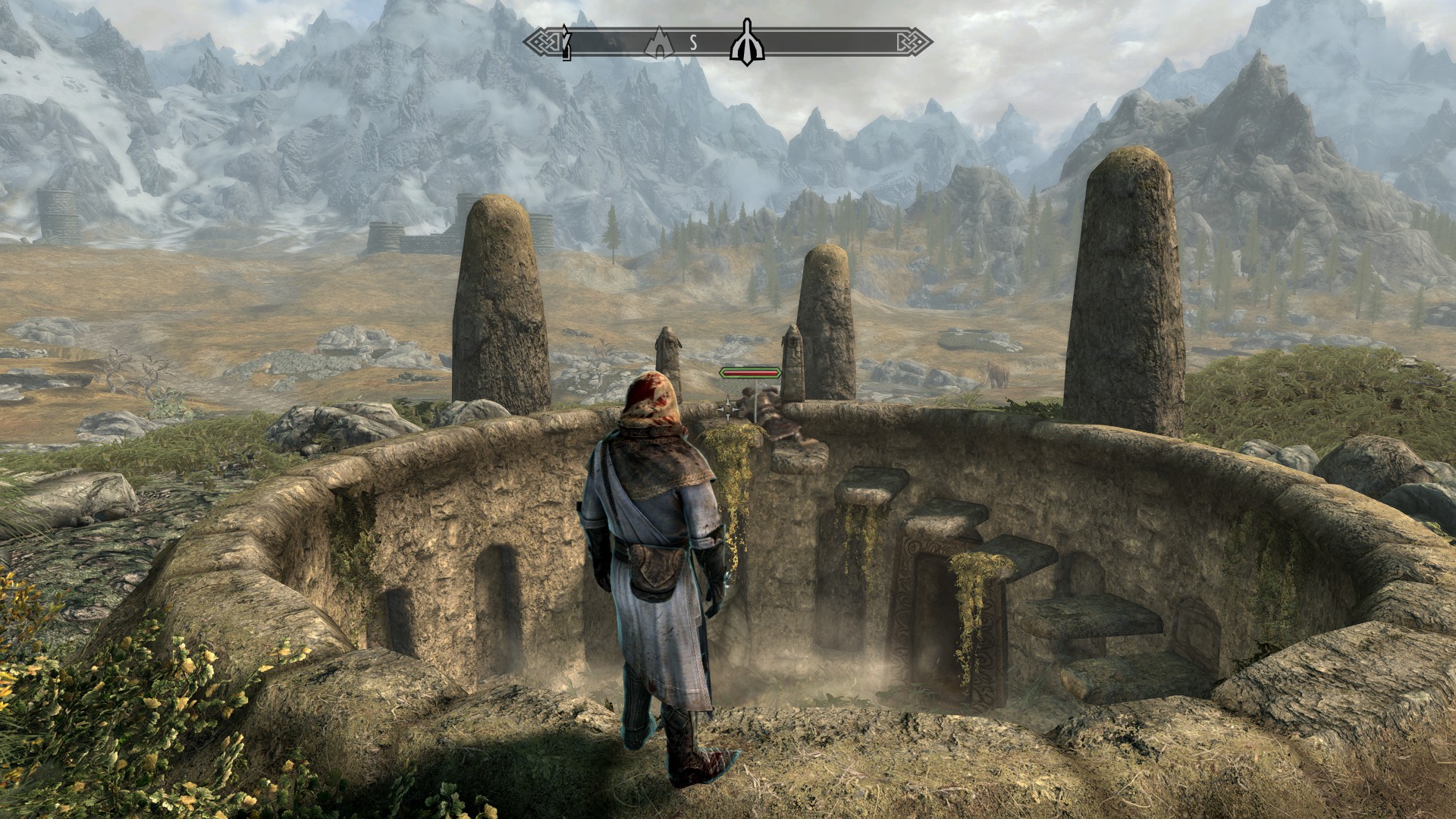
For gamers specifically, this matters even more. Modern games are increasingly memory-hungry. Open-world titles, high-resolution textures, ray tracing, and mods all push system memory harder than ever. Running the “bare minimum” is no longer ideal, and future games will only raise those requirements.
Some people will point to alternatives like consoles or cloud gaming. Those options have improved significantly, and for casual players they may be enough. But for PC enthusiasts, they are not real replacements. Consoles lack flexibility. Cloud gaming depends on network conditions and subscription models. Neither gives you full control over mods, performance tuning, or ownership of your hardware.
So should you build a PC in 2026? If you are waiting for prices to return to the comfort zone of the past decade, you may be waiting forever. The industry has moved on, and gamers are no longer the main customers shaping hardware supply. The datacenters will be the major customers of hardware going forward.
The smarter approach is to accept the new reality and plan accordingly. If a build is on your roadmap, delaying indefinitely could mean paying more for less. Buying critical components earlier, watching market trends closely, and avoiding unnecessary upgrades may be the best way forward.
The old saying applies surprisingly well here. The best time to secure a scarce resource was yesterday. The second-best time is now. For PC builders heading into 2026, hesitation may end up costing more than commitment.

Pavithran is a software developer based in Bengaluru, passionate about web development. He’s also an avid reader of SF&F fiction, comics, and graphic novels. Outside of work, he enjoys curating inspirations, engaging in literary discussions and crawling through Reddit for more mods to add in his frequent playthroughs of The Elder Scrolls V: Skyrim.
RELATED







RELATED
EXPLORE