Will AI Take Over Jobs? No, It Will Take Over Hardware

By
18 December 2025
The question of whether artificial intelligence will take over human jobs has dominated headlines, panel discussions, and corporate messaging for years. Every wave of layoffs seems to revive the same debate, often framed as an inevitable march toward automation-driven unemployment. Yet AI has been making a mark in an entirely different and measurable way.
AI has influenced jobs, certainly. It has changed workflows, introduced new tools, and altered hiring priorities in some sectors. But the claim that AI is already replacing humans at scale is only presented by some CEO . The more immediate, measurable, and disruptive takeover is happening elsewhere. AI is not coming for jobs first. It is coming for hardware.
Is AI responsible for layoffs?
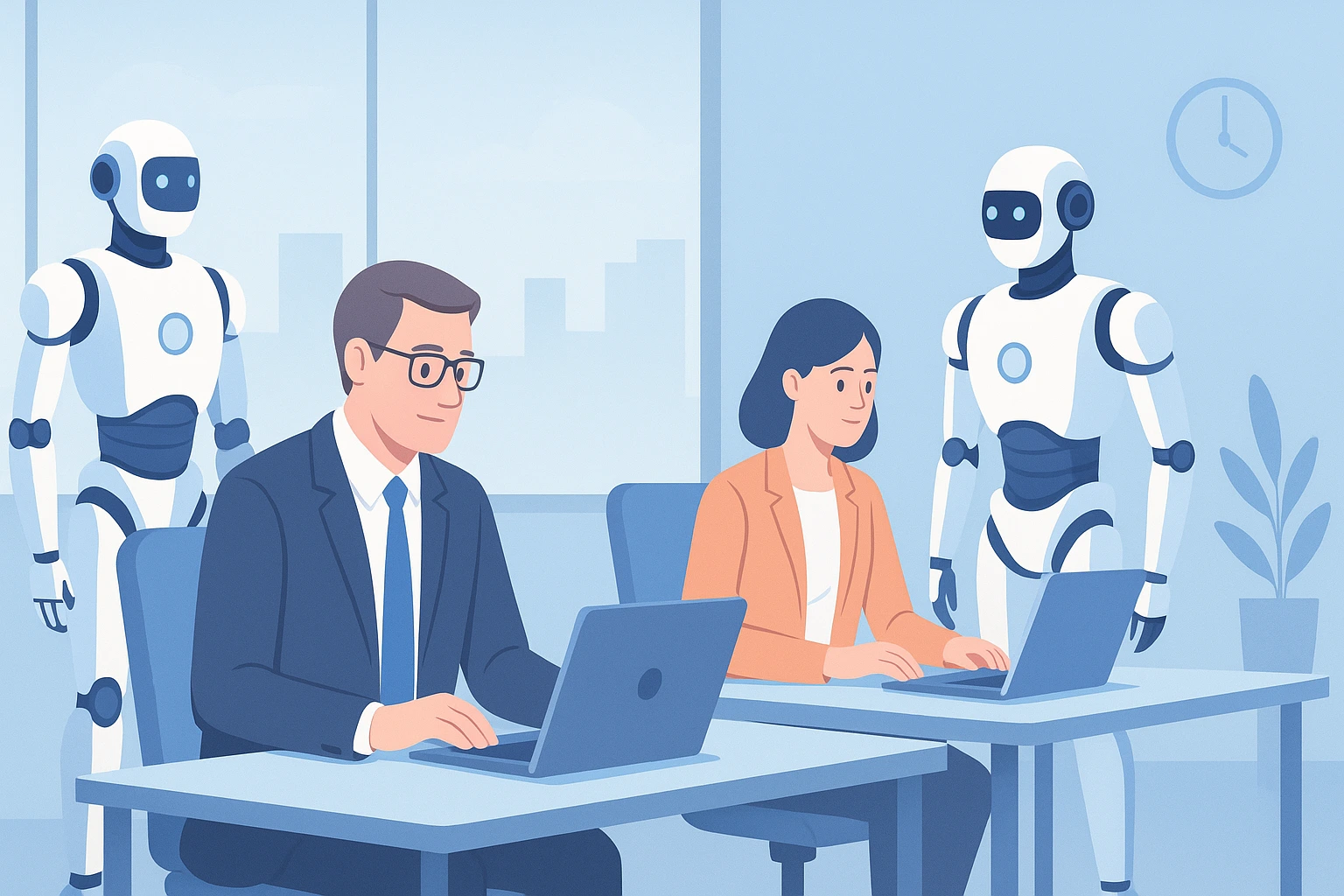
There is no denying that AI has entered workplaces. Customer support, content generation, coding assistance, data analysis, and design workflows now routinely involve AI tools. However using AI tools does not mean employee counts can be replaced.
Most job losses attributed to AI over the past few years have occurred alongside broader economic pressures. Companies overexpanded during low-interest-rate periods, hired aggressively, and later corrected course. Shareholder expectations, cost-cutting mandates, and restructuring cycles explain far more layoffs than AI systems quietly outperforming entire departments. No matter how much CEOs may like to embellish the impact of AI, the farce of high performing AI is a lie pushed by corporations and seemingly accepted by shareholders.
Because today’s AI systems are not autonomous workers. They are tools that require human oversight, human input, and human correction. Large language models generate output probabilistically, not with intent or understanding. Image and video models remix existing data rather than create from first principles. These systems increase productivity in narrow contexts, but they do not independently “do jobs” in the way humans do.
The promise of AI-led leisure—shorter workweeks, radically reduced workloads, and frictionless efficiency—has not materialized. Instead, most organizations are using AI to marginally increase output expectations rather than reduce human labor.
If AI were truly replacing workers en masse, productivity gains would be obvious and widespread. They are not. What is obvious, however, is where the money is going.
AI Wants Your Hardware, Atleast for Now
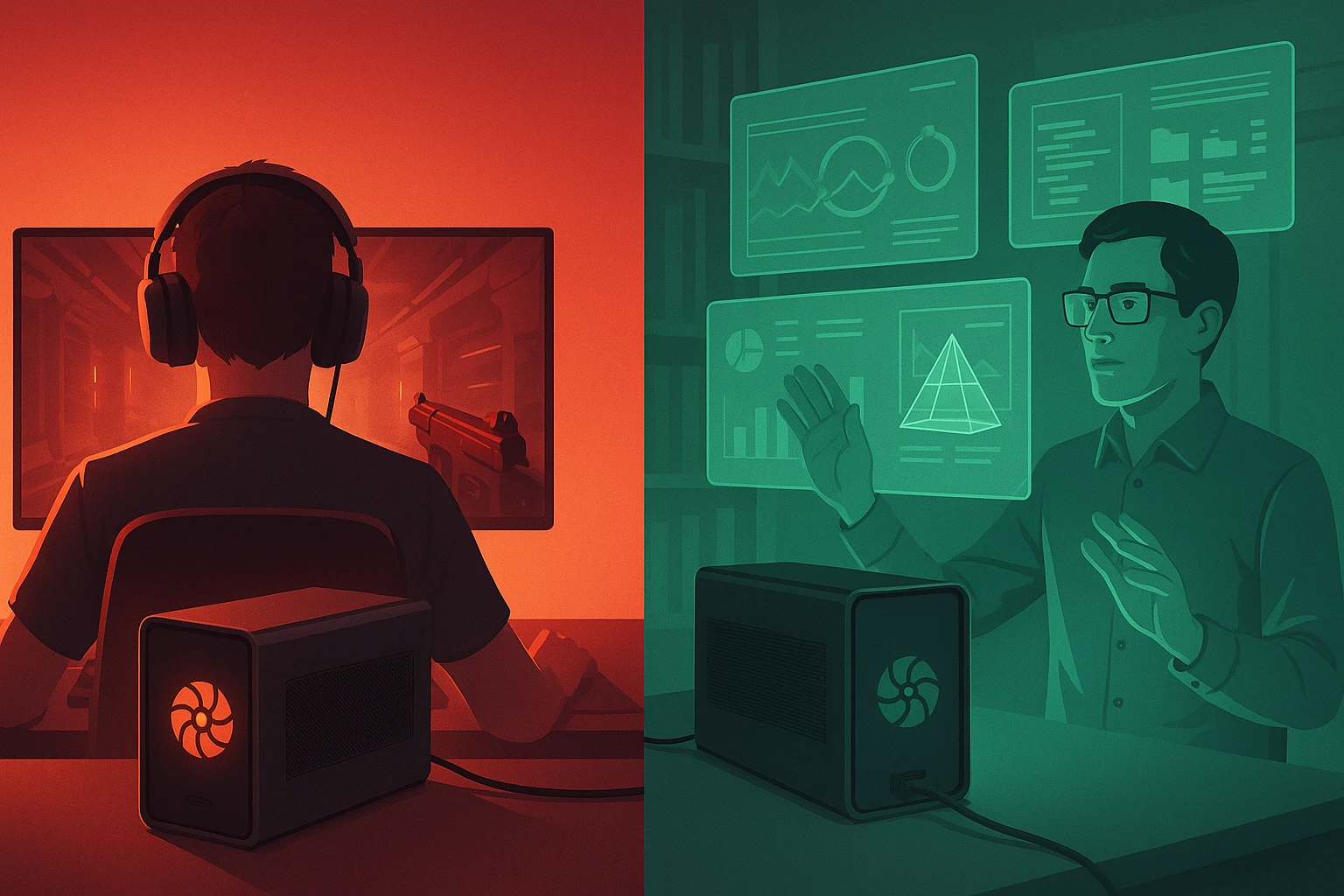
AI has not seized control of computers in any science-fiction sense. Instead, it has become the single largest customer in the global computing hardware market. The traditional kings of this market were human consumers—PC builders, gamers, professionals, studios, and small businesses. That era is ending.
Below are the recent headlines about large-scale investments in the AI datacenters:
Microsoft unveils $23 billion in new AI investments with big focus on India
Anthropic invests $50 billion in American AI infrastructure
TikTok to Invest More Than $37 Billion in Brazil Data Center
Google to spend $15 billion on AI data centre in biggest India investment
There are numerous other planned investments in datacenters, averaging nearly $1 billion. Each facility represents investments measured in billions of dollars, involving tens of thousands of GPUs, specialized accelerators, enterprise-grade memory, and high-speed networking equipment.
The personal computers market size was valued at USD 211.31 Billion in 2025. Now with the AI companies competing with the average consumer, it is very clear who has the financial advantage. AI companies have heavily borrowed on the guarantees of future revenues and sit on a warchest of billions of dollars. They can efectively buy up the available stocks at top dollars. And they are doing so, effectively pricing out the average customer out of the market.
In economic terms, the conclusion is unavoidable. The customer with the largest purchasing power sets the agenda. The consumer is king and the newly crowned consumer king is AI. AI is not taking over jobs, but it is taking over the market and suppliers are taking notice.
The rush for the AI money
Nvidia’s transformation encapsulates this shift perfectly. Once primarily associated with consumer graphics cards, the company now derives the majority of its revenue from AI accelerators designed for data centers. These products are sold in bulk, at high margins, and with long-term enterprise contracts.
Consumer GPUs still exist, but they are no longer the core business. This change is visible in product design decisions. Instead of prioritizing large gains in raw rendering performance, newer graphics cards increasingly rely on AI-based techniques such as frame generation and upscaling to present performance improvements.
Reliability issues, such as high-profile power connector failures in recent GPU generations, further highlight where priorities lie. When enterprise hardware dominates revenue, consumer refinement becomes secondary. AI has not merely influenced GPU design; it has reshaped the entire roadmap.
The same pattern is emerging across the broader hardware ecosystem. Memory manufacturers are shifting focus away from consumer products toward enterprise and AI-centric solutions. High-bandwidth memory and specialized server-grade modules command significantly higher margins than consumer RAM kits.
The decision by Micron to shutter its consumer-facing Crucial brand is not an anomaly. It is a signal. Selling to individual PC builders is no longer as attractive as supplying AI data centers that purchase at scale and prioritize performance over affordability.
Storage vendors, networking companies, and even power infrastructure suppliers are aligning around AI workloads. The result is a gradual hollowing out of the consumer hardware market. Fewer choices, higher prices, and slower innovation are becoming the norm for individuals.
AI is not replacing employees, it is replacing consumers
The fixation on AI “stealing jobs” distracts from the more immediate structural change underway. AI is not replacing humans en masse. It is reorganizing capital, infrastructure, and manufacturing priorities around itself.
Jobs will evolve, some roles will disappear, and new ones will emerge, as they always have with technological change. But the first and most decisive takeover is already complete. AI has taken over the hardware market.
The real question is not whether AI will make humans obsolete, but whether individuals will retain meaningful access to computing power in an AI-dominated economy. If current trends continue unchecked, powerful hardware will increasingly be built for machines, not people.
AI may not want our jobs yet. It very clearly wants our hardware. And it is willing to outbid everyone else to get it.

Pavithran is a software developer based in Bengaluru, passionate about web development. He’s also an avid reader of SF&F fiction, comics, and graphic novels. Outside of work, he enjoys curating inspirations, engaging in literary discussions and crawling through Reddit for more mods to add in his frequent playthroughs of The Elder Scrolls V: Skyrim.
RELATED




RELATED
EXPLORE